When it comes to moving home there are many decisions you need to make to ensure you pick the right one for you, and the same goes for your mortgage. Choosing a mortgage is one of the biggest financial decisions you will make so it’s important to understand your options.
In this guide, we’ll explain how fixed rate mortgages work, their advantages and disadvantages, and who they’re best suited for.
What is a Fixed-Rate Mortgage?
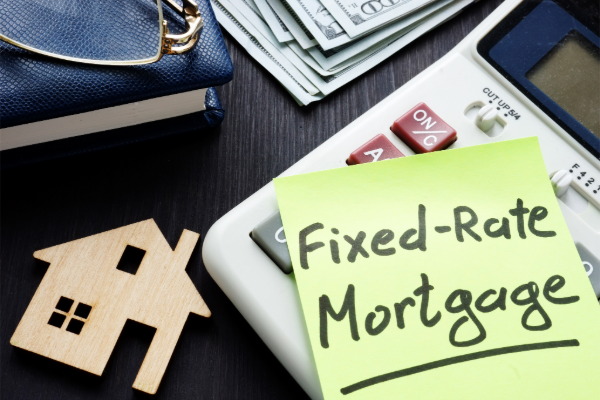
A fixed-rate mortgage is a home loan where the interest rate stays the same for an agreed period. This means your regular monthly mortgage payments remain unchanged during that period, provided your mortgage arrangements do not change.
The fixed-rate period is different from the overall mortgage term, which is the length of time you have to repay the loan.
How long does a fixed-rate mortgage last?
Options for fixed-rate periods include:
- 2 years
- 3 years
- 5 years
- 10 years
The options available will depend on the lender and your circumstances.
Advantages of a Fixed-Rate Mortgage
More Stability
A fixed-rate mortgage can offer peace of mind because your regular monthly repayments remain the same during the fixed-rate period, helping you plan your finances.
Protection against interest-rate rises
Your fixed interest rate will remain the same during the agreed fixed-rate period, even if the Bank of England base rate rises.
You can choose the length of your deal
Depending on the options available to you, you can choose a shorter or longer fixed-rate period to suit your circumstances and financial plans.
Disadvantages of a Fixed-Rate Mortgage
Early Repayment Charges (ERCs)
Early repayment charges may apply if you repay your mortgage early, switch deals or exceed any permitted overpayment allowance. Check your mortgage offer for the charges and dates that apply.
You won’t automatically benefit if interest-rates fall
If market interest rates fall, your fixed interest rate will remain the same until the fixed-rate period ends. Switching to another deal may involve early repayment charges and other costs.
What happens when your fixed-rate period ends?
When your fixed-rate period ends, your mortgage will normally move to your lender’s standard variable rate (SVR), unless you arrange another deal. This rate can be higher, so your monthly payments could increase.
You may be able to arrange a new deal in advance, to start when your existing deal ends. Before switching, compare the overall cost, including fees and any early repayment charges, and check when those charges stop applying.
It’s a good idea to start reviewing your options around six months before your deal ends.
Choosing the Right Fixed Period
The most suitable fixed-rate period depends on your circumstances.
A shorter fixed-rate period may suit you if you expect your income or housing plans to change in the near future. However, you will need to review your options sooner, and the rates available when your deal ends could be higher.
A longer fixed-rate period may suit you if you value payment certainty for longer. However, consider any early repayment charges if you may move home, repay the mortgage or switch deals during that period.
An experienced mortgage adviser can help you compare the options available and recommend a suitable mortgage based on your circumstances and financial goals.
This guide is for general information only and should not be considered mortgage advice. Your home may be repossessed if you do not keep up repayments on your mortgage.